From Compliance to Culture: How Ongoing Workplace Safety Training Builds a Safer Site
Workplace safety training should do more than help a company check a box. In higher-risk environments, training has to hold up when crews are busy, conditions change, deadlines tighten, and supervisors need workers to make sound decisions without hesitation. That is where the difference between compliance and culture becomes clear.
At SafestWork, we see workplace safety as something that needs reinforcement, not just completion. A course can establish the baseline, but safer habits are built through repetition, discussion, supervision, and real-world application. For employers, supervisors, and safety managers across Canada, that ongoing approach helps turn compliance training into a stronger safety culture that stays visible on site instead of fading after onboarding.
How Compliance Training Supports Workplace Safety
Compliance training matters because it creates a shared starting point. Workers need to understand the hazards tied to their tasks, the procedures they are expected to follow, and the responsibilities that come with their role. That baseline gives employers a practical foundation for safer operations.
The problem starts when compliance training is treated like the finish line. A certificate alone does not guarantee that workers will apply what they learned during equipment use, hazard recognition, emergency response, daily planning, or documentation. Ongoing reinforcement keeps those lessons active. It gives supervisors more chances to revisit expectations and helps workers connect the training to the conditions they face on site.
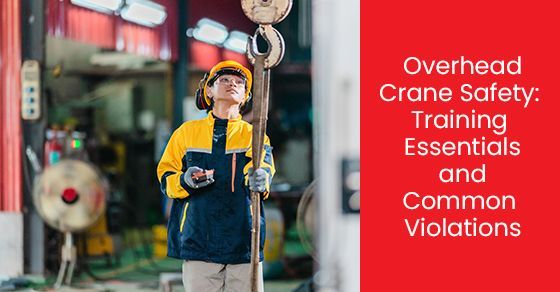
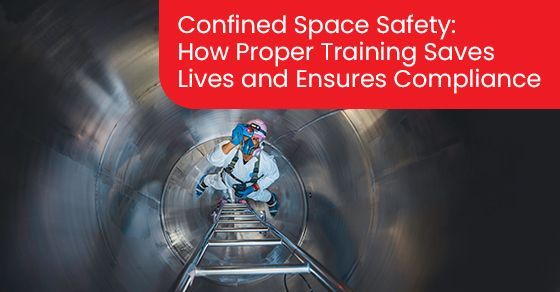
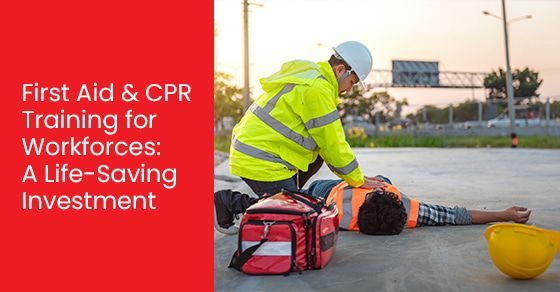
At SafestWork, our training catalogue reflects that reality. Employers may need support with Working at Heights, WHMIS, CPR and First Aid, Forklift, Confined Space, Traffic Control, TDG, Overhead Crane, LOTOTO, and Respirator Fit Testing, depending on the work being done. The stronger the connection between the course and the actual hazards on site, the more useful that training becomes.
A practical way to think about it is simple:
- compliance training creates the baseline
- ongoing reinforcement builds the habit
- supervision helps turn that habit into daily site behaviour
Compliance Training Is The Start, Not The Whole Program
Employers may need training linked to specific hazards, equipment, roles, and work environments. That requirement is a core part of workplace safety, and it should not be minimized. Workers need the knowledge, information, and instruction required to perform their jobs safely.
What compliance training cannot do on its own is keep safety active over time. A compliance mindset asks whether the course was completed. A stronger safety culture asks whether the training is still being used. Refresher sessions, toolbox talks, supervisor follow-up, and site-specific procedures all help close that gap by keeping the material active after the first session ends.
Ongoing Training Keeps Workplace Safety Visible
Busy sites make it easy for hazards to fade into the background. Routine can create complacency. New workers, temporary workers, subcontractors, weather changes, production pressure, and equipment movement can all change how safely a site operates from one day to the next.
That is why repetition matters. In construction, workers may need regular reminders about fall protection, traffic flow, and changing site conditions. In warehouses and industrial settings, forklift movement, energy control, material handling, and pedestrian interaction all need steady reinforcement. Ongoing training gives supervisors a chance to correct unsafe habits before they become incidents.
A stronger safety culture does not develop from one course alone. It develops when safety stays part of the daily conversation.
Canadian Compliance Expectations Make Training A Business Priority
Canadian employers should treat training as a core operating responsibility, not an optional add-on. In Ontario, the Occupational Health and Safety Act provides the legal framework for workplace health and safety, and the Ministry of Labour, Immigration, Training and Skills Development oversees and coordinates the provincial occupational health and safety system. WSIB also offers health and safety support and programs for businesses, while CSA Group develops standards that are often referenced in legislation and broader safety guidance.
The exact training requirements depend on the province, the work, the equipment involved, and the hazards present. Even so, the broader expectation remains consistent: workers need the training, information, and supervision required to perform their jobs safely under the conditions they face.
Training Records Help Show That Safety Is Being Managed
Documentation is part of a mature workplace safety program. Training records help employers track who has been trained, when refreshers may be due, and which roles or hazards still need more attention. They also give supervisors a clearer picture of whether workers are prepared for the work they are being asked to perform.
A company might track Working at Heights for site crews, WHMIS for workers handling hazardous products, Forklift for material handling staff, First Aid and CPR for designated responders, and Confined Space or LOTOTO for higher-risk maintenance roles. Those records matter during audits, internal reviews, inspections, and incident follow-up, but they still need to be backed by real supervision and safe work practices.
The Right Training Helps Workers Recognize Real Hazards
The most effective workplace safety training is tied directly to the job itself. Workers need to understand the hazards they actually face, not broad safety language that feels disconnected from their role. Hazard-specific training makes it easier to recognize risks early and respond before those risks become incidents.
That applies across sectors. Construction crews may need Working at Heights, Traffic Control, or Overhead Crane training. Industrial and maintenance teams may need Confined Space, LOTOTO, or Respirator Fit Testing. Warehouse and transportation staff may need Forklift, TDG, WHMIS, or First Aid and CPR. The course matters, but relevance matters even more. Workers are more likely to apply training when it clearly matches the equipment, materials, and decisions built into their day.
Site-Specific Reinforcement Makes Compliance Training Easier To Apply
Formal training works best when it is reinforced by site-specific expectations. A worker can complete a course and still need clear direction on how those principles apply to the layout, equipment, procedures, and hazards of the current site.
Site orientations, toolbox talks, supervisor coaching, and daily hazard assessments help bridge that gap. A worker trained in Working at Heights, for example, still needs to understand the fall protection plan, anchor points, access conditions, and work sequence for that specific job. Reinforcement makes the training easier to apply and encourages workers to raise questions before a problem grows.
Supervisors Help Turn Compliance Training Into Safety Culture
Supervisors have a major influence on whether training stays active or fades into the background. Workers pay attention to what supervisors tolerate, what they correct, and what they bring up during the day. If workplace safety is treated like paperwork, workers often respond the same way.
When supervisors reinforce procedures, stop unsafe work, encourage reporting, and keep hazards part of the conversation, training becomes more practical. That consistency helps build a stronger safety culture because workers are seeing the same expectations in the field that they heard during training.
Supervisor actions that help keep training active include:
- modelling site expectations
- correcting unsafe habits early
- documenting concerns and follow-up
- encouraging questions and hazard reporting
- revisiting training after changes in work or conditions
Workers Participate More When Safety Feels Practical
Workers are more likely to engage when safety feels relevant to the tasks in front of them. Training that reflects actual hazards is easier to remember and easier to trust. Open discussion also matters. Teams are more likely to raise concerns, report near misses, and flag unsafe conditions when they believe those concerns will be taken seriously.
That is one of the clearest signs of a healthy safety culture. People speak up earlier, supervisors respond faster, and workplace safety becomes part of routine operations instead of something saved for inspections or audits.
Build Stronger Workplace Safety With SafestWork
Ongoing workplace safety training helps teams turn compliance training into practical habits that support a stronger safety culture on every site. Compliance expectations, training records, hazard-specific courses, supervisor reinforcement, and site-level follow-through all work better when they support daily safe behaviour instead of standing apart from it.
At SafestWork, we provide training that helps employers prepare workers for real hazards, reinforce safer practices, and support more confident day-to-day operations.
Reach out to SafestWork today at 1-844-SAFEST-1 (844-723-3781), email us at support@safestwork.com or click here to get in touch online.