Overhead Crane Safety 101: Training Operators to Prevent Costly Accidents
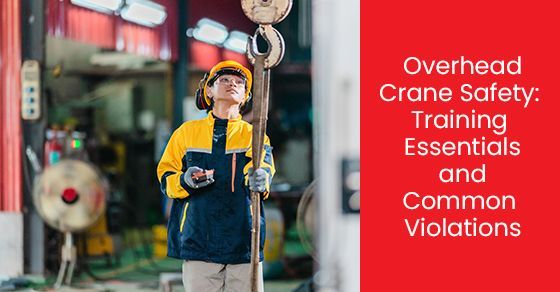
Overhead cranes are a common sight in warehouses, factories, and construction zones. These machines move massive loads with precision, but they also carry immense risk. Without proper oversight and operator training, a single mistake can lead to catastrophic consequences. At SafestWork, we help companies across Canada reduce these risks by providing CSA-compliant crane safety training that prepares operators for real-world challenges.
How Proper Operator Training Reduces Overhead Crane Accidents
When it comes to overhead crane operation, the margin for error is slim. Accidents can occur in an instant, often with devastating results. Dropped loads, collisions with other equipment, tip-overs, and electrical contact incidents are all common in environments where cranes are in use.
The consequences of these accidents range from crushed limbs and fatalities to large-scale property damage and production delays. What’s most concerning is that many of these incidents share a common root cause: human error. Lack of operator training, poor load management, and miscommunication are often the key factors behind preventable crane-related accidents.
Proper training addresses these root causes head-on. Operators who are trained to understand mechanical limits, environmental hazards, and operational protocols are far more capable of preventing mistakes. With the right instruction, they learn to make critical decisions in high-pressure situations and avoid risky behaviour that could endanger others. The goal isn't just to teach operation but to develop the judgment and foresight that prevent accidents in the first place.
Understanding the Risks of Overhead Crane Operation
Improper use of overhead cranes exposes workers to serious danger. A sudden shift in a load’s centre of gravity can result in a dropped load that crushes anything or anyone in its path. Misjudging clearance distances can lead to collisions with racking systems, walls, or other equipment. Failing to follow load charts or exceeding capacity can cause structural failure or tip-overs.
These accidents don’t just harm people. Damaged products, broken equipment, and disrupted workflows can cost companies tens of thousands of dollars. And it often all traces back to one gap: the operator’s knowledge and training.
Required Crane Training Standards in Canada
Across Canada, crane safety is regulated at the provincial level, with guidance from national standards. The CSA Standard B167 sets the benchmark for overhead crane operator competencies and outlines what a training program must include to ensure worker safety.
In Ontario, for example, the Ministry of Labour, Immigration, Training and Skills Development (MLITSD) requires employers to ensure that crane operators are fully trained and competent before being assigned to operate lifting equipment. This includes hands-on instruction, knowledge of applicable legislation, and a thorough understanding of the crane’s specific functions.
Employers are also required to maintain records of training and prove that operators meet the competency standards. Failure to do so opens the door to regulatory violations, work orders, and potential shutdowns.
Key Components of Effective Crane Operator Training
A strong crane safety program covers far more than basic operation. It builds core competencies and ensures each operator understands:
- How to calculate load weights and adhere to rated load capacities
- Proper techniques for rigging, balancing, and securing loads
- The importance of daily inspections and recognizing mechanical warning signs
- Clear hand signals, radio protocols, and hazard awareness during lifts
- Emergency stop procedures and safe equipment shutdown steps
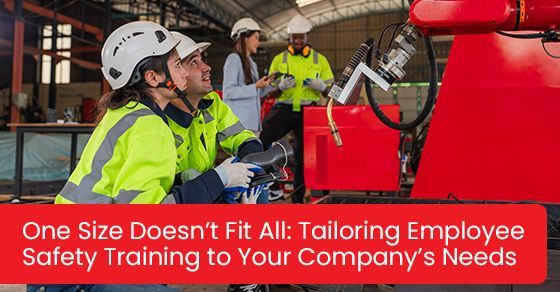
Training should be specific to the crane type and the work environment. A one-size-fits-all approach fails to address the unique variables found in each facility. That’s why SafestWork delivers tailored programs that reflect the conditions your team faces every day.
Real-World Consequences of Inadequate Training
When crane safety takes a back seat, the consequences speak for themselves. According to Ontario’s WSIB data, hundreds of crane-related injuries are reported annually, many of them involving serious harm.
Undertrained operators have caused suspended loads to swing into workers, struck overhead power lines, and dropped materials onto active work zones. Each of these incidents could have been prevented with proper instruction.
Employers that neglect operator training face more than just injury claims. Fines, stop-work orders, WSIB premium hikes, and even civil lawsuits can result from failing to uphold safety responsibilities. Add in reputational damage, and it’s clear that cutting corners is never worth the risk.
Building a Safer Worksite Through Continuous Training
Crane safety isn’t a one-time lesson. As job sites change and operators rotate through different tasks or equipment, refresher courses become essential. CSA standards recommend re-evaluating operator competency regularly, especially after near-miss incidents or procedural changes.
Regular training sessions encourage a safety-first mindset. They give teams an opportunity to ask questions, stay sharp, and strengthen communication. A well-trained team can spot hazards early, coordinate better during lifts, and respond quickly to emergencies.
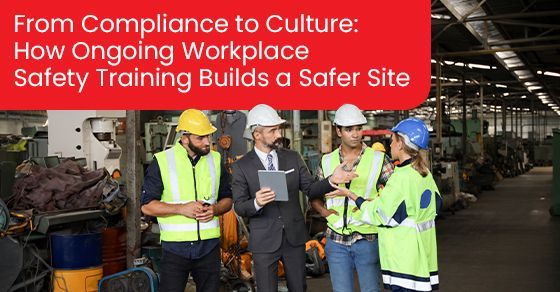
We also recommend integrating crane safety into broader workplace safety training initiatives. This reinforces the importance of situational awareness and builds a strong safety culture from the ground up.
Protect Your Workers with CSA-Compliant Crane Training
Overhead crane safety starts with properly trained operators. Without thorough training, costly accidents are just a matter of time. Investing in CSA-compliant instruction not only meets legal requirements; it protects your workforce, your equipment, and your bottom line.
Reach out to
SafestWork today at 1-844-SAFEST-1 (844-723-3781), email us at support@safestwork.com, or
click here to get in touch online.